Bar management is a crucial element in the architecture of any successful event. Often, organizers focus on visible aspects such as decoration and logistics, but the bar, as a point of direct interaction with the customer, is the beating heart of the event. This management not only determines customer satisfaction, but also impacts revenue, brand image, and regulatory compliance.
The Importance of Bar Management
Bar management is more than just serving drinks; it is an art that combines logistics, marketing, and customer service. In an environment where consumers are increasingly informed and demanding, the bar experience can be a key differentiator. In a study conducted by Eventbrite, 74% of event attendees mentioned that a positive bar experience influences their decision to attend again. This underscores the need to optimize this aspect.
Key Benefits of Smooth Management
- Increased Customer Satisfaction
- Fast service and quality interactions are essential. Implementing real-time traceability systems allows consumption and demand to be monitored in real time. This means that organizers can adjust inventory based on customer preferences, ensuring that the most popular beverages are always available.
- Brand Image Enhancement
- Efficient and friendly bar service not only satisfies customers, but also builds a positive narrative around the organizing brand. Attention to detail in product presentation and personalized service project an image of professionalism and quality.
- Resource Optimization
- Using technology management technology to optimize resources can result in significant savings. By automating ordering and payment processes, wait times are reduced and customer turnover at the bar is improved. This not only optimizes cash flow, but also minimizes staff stress during peak hours.
- Increase in Revenue
- Bar management has a direct impact on revenue. Market research has shown that events offering customizable products and unique bar experiences see a 30% increase in sales compared to those that do not. By implementing a product customization approach, organizers can attract a wider audience and foster customer loyalty.
- Event Marketing Facilitation
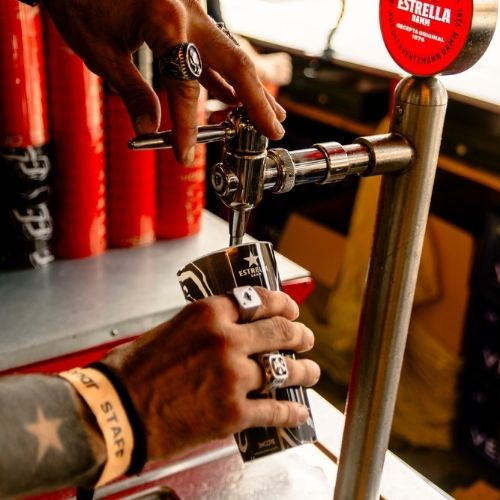
- Bar management can be used as a powerful marketing channel. Events can implement specific promotions, such as "happy hours" or "themed drinks," which not only attract more attendees but also generate conversation on social media. The use of customizable glasses, cups, and straws has become an effective strategy for attendees to take home a souvenir of the event, turning them into brand ambassadors.
Strategies for Achieving Smooth Management
- Staff Training
- Continuous training is essential. Investing in staff skills development not only improves efficiency, but also empowers employees to deliver exceptional service. Training programs that include simulations and customer service can be extremely helpful.
- Technology Implementation
- Integrating comprehensive event management software allows organizers to monitor all operations in real time, from inventory to customer satisfaction. Predictive analytics tools can help anticipate demand, improving planning and management.
- Designing Efficient Spaces
- The physical layout of the bar should facilitate movement and interaction. Designing a space that allows for a natural flow of customers not only improves the experience but also optimizes operations. Including self-service stations may be an option for larger events.
- Feedback Collection
- A robust feedback system allows organizers to identify areas for improvement. Implementing quick surveys can help gather opinions about the bar experience and adjust services according to customer needs.
Conclusion
Bar management is an essential aspect of event planning and execution. Investing in efficient management not only improves customer satisfaction, but also impacts the image of the event and financial results. By adopting effective practices and leveraging technology, organizers can create memorable experiences that not only retain attendees, but also generate valuable publicity.