Paulo Amaral, one of the directors of Made of You Group. An events company based in Portugal, producing events for around 25 years, mainly within the electronic music scene.
From your perspective, where does Portugal currently stand when it comes to reuse systems in events?
Portugal is going through a transition. A new regulation now applies a 10-cent charge to plastic bottles and cans, with the aim of encouraging returns and recycling. It is still recent, so eventsare adapting operationally, especially around collection and storage.
Reusable cups, however, are already well established. They have made events cleaner and changed public behaviour: cups now have value, so people reuse them, return them or keep them as souvenirs instead of throwing them on the floor. Looking back, it is hard to imagine producing events with the amount of plastic waste we had before.
Do you think reuse is still seen mainly as a sustainability measure, or is it increasingly being understood as an operational and business decision?
There is no way back. Reusable cups are not only a sustainability measure; they have improved the overall quality of events. They keep venues cleaner, reduce waste on the floor and create a better experience for both audiences and operators.
The industry now understands that reuse needs proper systems behind it. Washing, drying, storing and circulating the cups correctly is what makes the model work and allows the cups to last longer.
In the events produced by Made of You Group, how do you approach the implementation of reusable cup systems in practice?
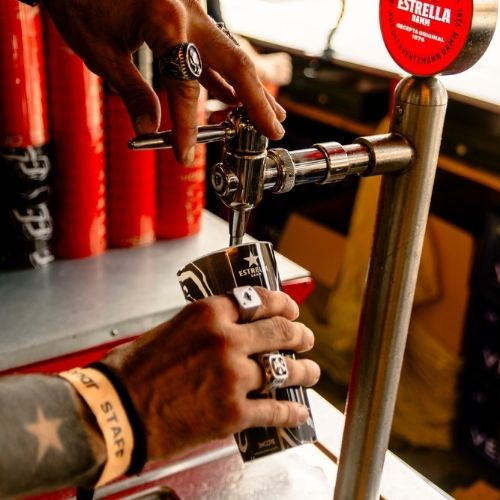
The system is simple for the audience. If you do not have a cup, you get one at the bar and use it throughout the event. If you change drinks, we can replace it without charging an extra cupfee. Used cups are collected, stored and sent to the washing centre after the event.
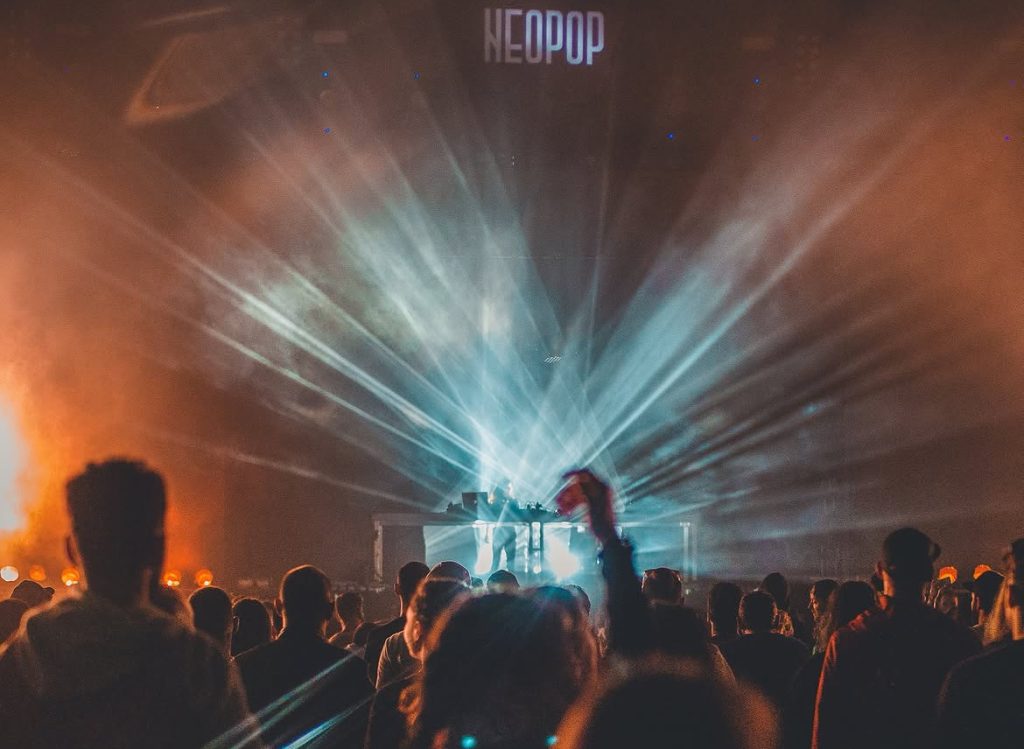
Across Brunch and NEOPOP, the logistics are very similar. In larger or more complex events, such as Afro Nation, the system can involve different cup types depending on sponsors, stages or specific areas. But for the attendee, the experience remains almost the same.
When a promoter is considering a reuse system, what are the first operational and financial questions they usually need to answer?
For us, reuse is no longer a separate decision or an extra cost to justify. It is already part of how an event is planned.
The real question is not whether to use reusable cups, but how to integrate the system properly into the operation: bars, collection, washing, logistics and audience flow. Once you understand that, reusebecomes a standard part of producing better events.
What are the most important aspects before an event to make a reuse system work during the event?
The first priority is communication. Audiences need to understand how the system works before they arrive: cup price, drink prices, returns and what to expect. This is even more importantwhen an existing event is changing from single-use to reusable cups, because people are used to a different process.
The second priority is team training. Bar staff and operators need to know the system well to avoid mistakes, confusion or unnecessary charges. A reuse system works when both the audience and the teamare prepared.
What teams should be involved in the implementation of a reuse system so that everything runs as smoothly as planned during the event?
Operations and marketing are the two key teams, with production also involved from the beginning. Operations make sure the system works on the ground: bars, logistics, collection and team coordination.
Marketing is just as important because the audience needs clear information before and during the event. If the public understands the system and the operational team is aligned, the reuse model runs much more smoothly.
Can you spot during an event if something is going wrong with the reuse system?
One of the clearest signs is seeing cups on the floor, although this is now very rare when the system works well. Cleaning teams need to know that reusable cups should not go into general waste, but into the right containers so they can return to the system.
That is why preparation matters: you need containers, storage points and a clear flow for used cups. If those elements are in place, the operation is much easier to control during the event.
Have you implemented any initiatives to encourage cup returns or give reusable cups a second purpose after the event?
At Brunch Lisboa last year, we introduced a simple initiative at the end of the event. If attendees did not want to keep their cup, they could leave it in baskets placed at the exits, and thecollected cups would be donated to a non-profit organisation.
It was not massive, but it worked well. We had people on site explaining the initiative, and attendees were interested. It showed that small actions can help extend the value of the reusable cup beyond theevent.
How is recovery managed so that the cups can go back into circulation?
The process is already well implemented. Once the event is over, used cups, as well as any unused stock, are sent to the washing stations.
There, the cups are washed, packed again and prepared for the next events. That is what makes the system truly circular: the cup does not end with the event, it goes back into circulation.
What are the best practices to collect used cups during the event?
The first step is training the bar team. They need to know exactly what to do with used cups, where to place them and how to keep the process flowing. It does not need to be complicated, but it does need to be clear: return containers, a defined process and strong coordination.
Cleaning teams must also be involved. They need to understand that reusable cups should not go into general waste, but into the right containers so they can be washed, managed and brought back intocirculation.
Do you think there is now less pressure from the audience to have greener festivals?
Not at all. If anything, the pressure will increase. Audiences, especially younger generations, are more aware of the environmental impact of events and they do not want to go back to seeingcups and waste on the floor.
The conversation is also moving beyond cups. People now pay attention to food, materials, sourcing and single-use items across the event. At Brunch Electronik in Portugal, for example, we avoid single-use cutlery in the food area. These details matter, and festivals need to keep evolving.
When reuse is implemented properly, what are the main benefits for the organiser, event after event?
The clearest benefit is a cleaner venue. Since reusable cups were implemented, the difference is visible, even in multi-day events.
There is also a positive impact on audience perception. People feel that the event cares about reducing waste and improving its impact.
Operationally, the system has become much easier to manage. Most bar operators are now familiar with reusable cups, so it is no longer seen as something complex, but as the standard way to run betterevents.
How did you learn to handle these operations at the beginning? Was it trial and error or through a reuse operator?
We learned mainly through direct experience. We have been managing our own bars for several years, so the teams had to understand the system from the inside.
We also learned by visiting other countries, seeing how other events operated and adapting what made sense for us. Of course, there was some trial and error: you test a process, adjust it and improve it. Today, because we use the system across all our events, it has become almost automatic for the teams.
If you had to leave one message for the industry, what makes a reuse system viable in real event operations?
Reusable cups are now so integrated into our events that it is hard to imagine operating without them. The message is simple: just do it, but do it properly.
Train the team, work with experienced bar operators and make sure the process is clear. Audiences are already familiar with reuse systems, so there is nothing to be afraid of.
Yes, cups have a cost, but that cost should be seen as an investment in a smoother operation, a cleaner venue and a better event experience.