En los últimos años, los vasos reutilizables se han convertido en la solución más visible frente a los envases de un solo uso. Sin embargo, muchas veces la discusión se queda en la superficie: el vaso en sí. Desde nuestra experiencia en eventos masivos, sabemos que el vaso es solo una pieza de un sistema mucho más amplio. Lo que realmente marca la diferencia es la capacidad de recoger, lavar e integrar esos vasos de nuevo en circulación.
El reto de los vasos reutilizables
Cuando un festival o evento introduce vasos más resistentes pero no articula un sistema de retorno, la reutilización real se pierde. El resultado es claro:
- Vasos abandonados dentro y fuera del recinto.
- Asistentes que se llevan a casa un objeto que rara vez reutilizan.
- Una falsa sensación de sostenibilidad, pero sin impacto ambiental positivo.
En otras palabras, un vaso más grueso no es automáticamente un vaso sostenible.
La importancia del lavado
El verdadero cambio aparece cuando existe un circuito completo:
- Entrega del vaso durante el evento.
- Recogida al finalizar.
- Transporte al centro de lavado.
- Higienización profesional.
- Empaque y almacenamiento para próximos usos.
Solo con este ciclo cerrado podemos hablar de un sistema de reutilización eficiente, capaz de reducir residuos y optimizar recursos. El lavado profesional garantiza seguridad alimentaria, alarga la vida útil de los vasos y permite que un mismo vaso pase por decenas de eventos distintos.
Beneficios para organizadores
Para los productores y organizadores, implementar un sistema de retorno con lavado no es solo una obligación normativa. Es una oportunidad de:
- Reducir costes frente a la compra constante de vasos nuevos.
- Mejorar la experiencia del asistente, evitando acumulación de residuos en el recinto.
- Cumplir de manera sólida con la normativa de envases y residuos.
- Posicionarse como referente sostenible, con acciones medibles y visibles.
Una alerta para la industria de los eventos
Cada vez vemos más voces críticas que señalan las malas prácticas en torno al vaso reutilizable. Organizaciones ambientalistas, medios especializados e incluso los propios asistentes están denunciando lo que consideran greenwashing: vasos más gruesos que acaban en la basura, sistemas sin retorno, depósitos que nunca se devuelven.
Para los organizadores, esto representa un riesgo reputacional importante. La sostenibilidad ya no es solo una exigencia normativa, sino también un valor observado y cuestionado por el público. Un sistema mal planteado puede convertirse en un foco de críticas, afectar la experiencia del asistente y debilitar la confianza en el evento.
La conclusión es clara: en este contexto, no basta con entregar un vaso reutilizable. Lo que de verdad protege la reputación de un festival o evento es demostrar que existe un circuito completo de reutilización, donde la recogida y el lavado aseguran que el vaso vuelva a usarse en el futuro.
El papel decisivo de la devolución
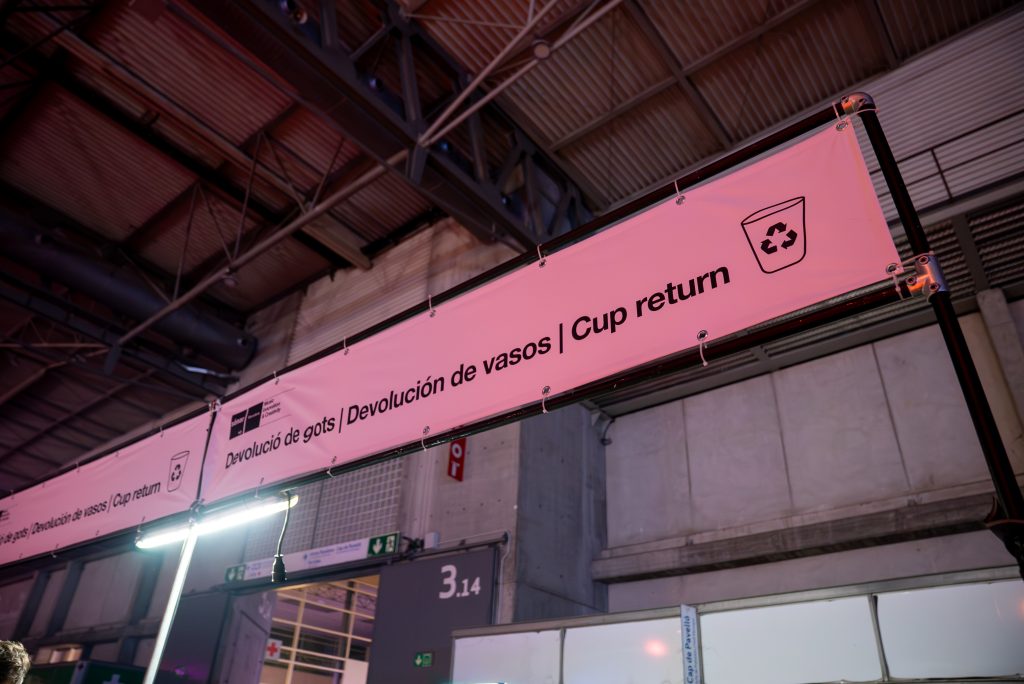
Una parte esencial de este circuito es facilitar al público la devolución del vaso. No basta con tener la intención de recogerlos: hay que ofrecer puntos de retorno accesibles y variados que se adapten al flujo del evento.
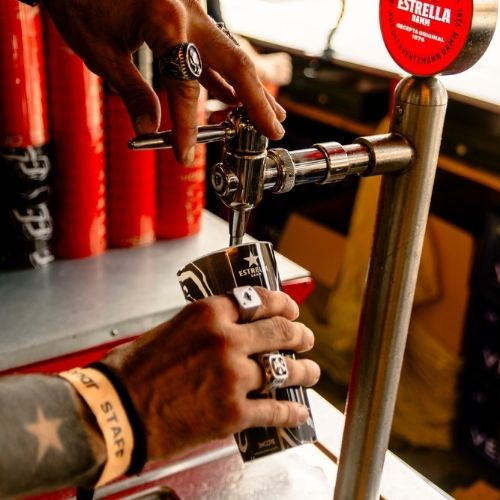
- Devolución en barras: el sistema más directo y visible.
- Puntos de retorno específicos: ubicados en lugares estratégicos para evitar acumulaciones de vasos abandonados.
- Métodos innovadores de devolución: desde máquinas automáticas hasta personal dedicado en zonas clave.
Cuando el público percibe que devolver el vaso es sencillo y ágil, la tasa de retorno se dispara. Y lo más importante: la organización transmite un mensaje claro de compromiso real con la sostenibilidad. En cambio, cuando se complica la devolución o no se devuelve el depósito, los asistentes interpretan que el vaso es un negocio más y no una medida ambiental.
En definitiva, permitir la devolución marca la diferencia entre un evento que genera confianza y reputación positiva, y otro que acaba asociado a prácticas oportunistas.
Casos que demuestran el impacto
Festivales y ciudades que han integrado un sistema de retorno con lavado han conseguido tasas de recuperación superiores al 90% y, lo más importante, una reducción real de residuos plásticos. El éxito no está en el material del vaso, sino en la operativa de circularidad que lo acompaña.
Hacia un modelo realmente sostenible
En ENCORE! creemos que la sostenibilidad en eventos no puede quedarse en un gesto simbólico. Requiere sistemas bien diseñados y gestionados, donde el lavado es la pieza central. Solo así podremos avanzar hacia eventos de residuo cero que combinen viabilidad económica, cumplimiento normativo e impacto ambiental positivo.
El futuro de los eventos pasa por sistemas de reutilización completos, donde el lavado y la devolución de vasos son el núcleo de una verdadera circularidad. Los asistentes ya no se conforman con gestos simbólicos y cada vez exigen más transparencia y coherencia. Para los organizadores, esto significa una oportunidad clara: apostar por soluciones que combinen sostenibilidad, eficiencia operativa y confianza del público. En ENCORE! trabajamos precisamente en esa dirección, acompañando a los festivales y eventos para que puedan ofrecer experiencias responsables, cumplir la normativa y, sobre todo, generar un impacto positivo y duradero.