When it comes to sustainable events and efficient operations, choosing the right material for reusable cups is not a minor detail: it affects logistics, customer experience, product durability and, of course, costs.
In this article, we present a clear and direct comparison of the four most common materials in the manufacture of reusable cups: Polypropylene (PP), SAN, Tritan and Polycarbonate (PC).
We analyze their resistance, typical uses, printing possibilities, appearance, expected reuse, weight and cost, to help you make an informed decision.
Polypropylene (PP)
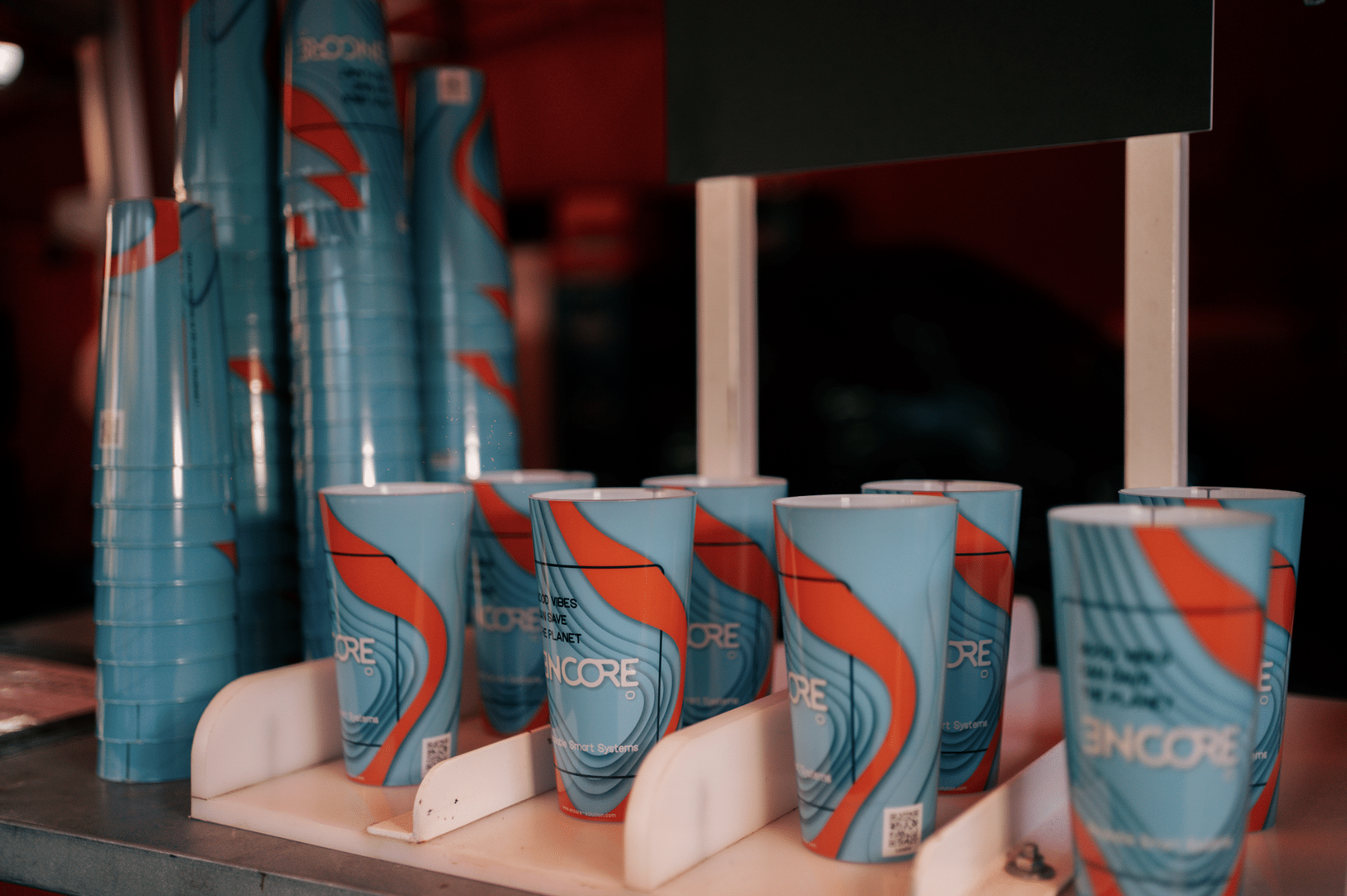
It is the most used material for mass events. It stands out for its good impact resistance, flexibility and tolerance to medium temperatures. It is compatible with screen printing, pad printing and even IML printing on certain models.
Thanks to its stackable design and low weight, it occupies very little volume in transport and storage. It has a matte or translucent finish and a lifespan of between 50 and 100 uses. It is the most economical (€) option, ideal for festivals, casual hospitality and events with high public turnover.
SAN
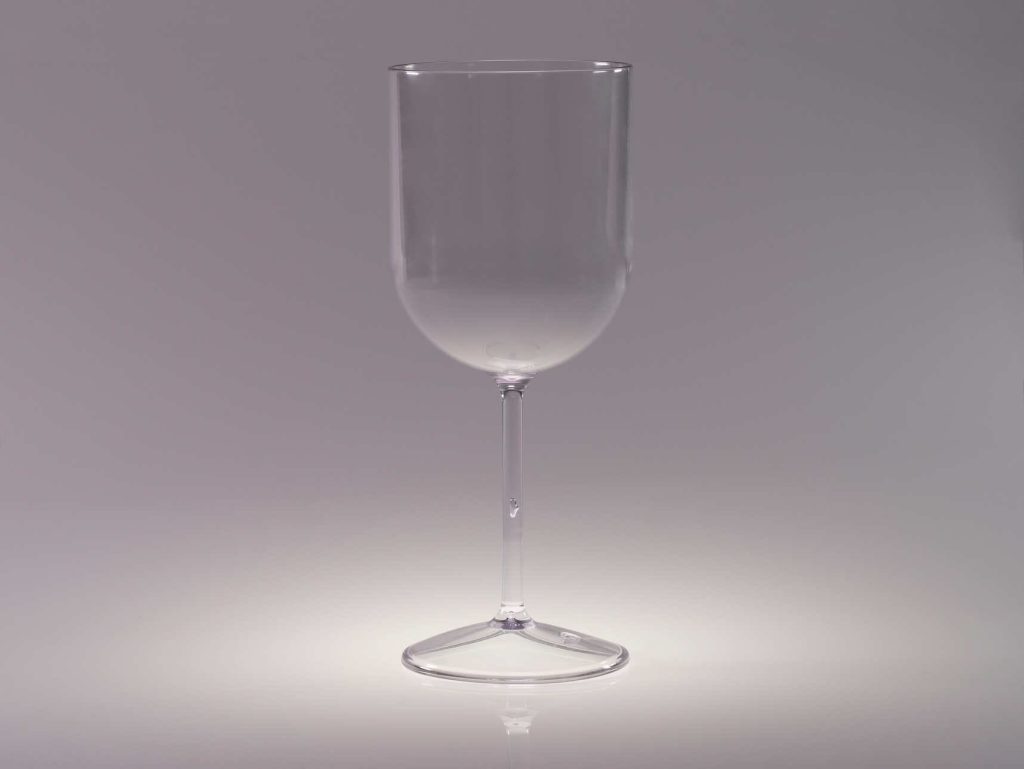
SAN (styrene acrylonitrile) is more rigid and has greater transparency than PP, although it offers medium impact resistance. It allows printing by screen printing and pad printing, but it is not suitable for IML.
It is often used in bars and events where a more careful presentation is sought, without reaching the premium level. It is stackable if the design allows, has a medium weight, and its glossy finish makes it visually appealing. Its lifespan is around 100 to 150 uses, with an average cost (€€).
Tritan
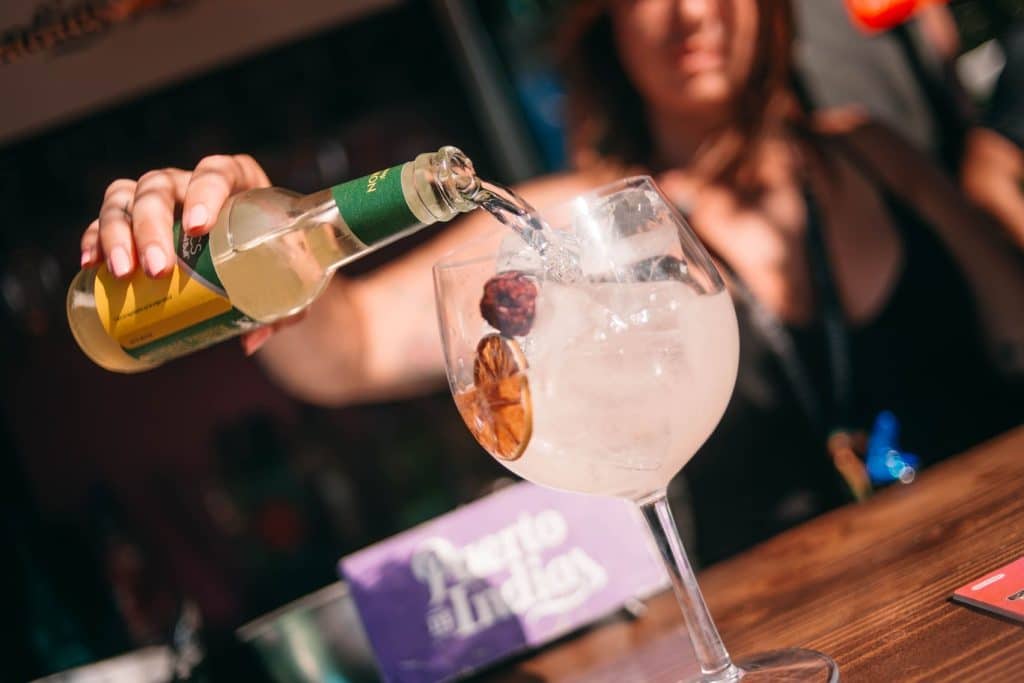
This material stands out for its very high resistance to impacts and scratches, in addition to a much higher crystalline transparency. It does not allow IML printing, but it does allow screen printing and pad printing.
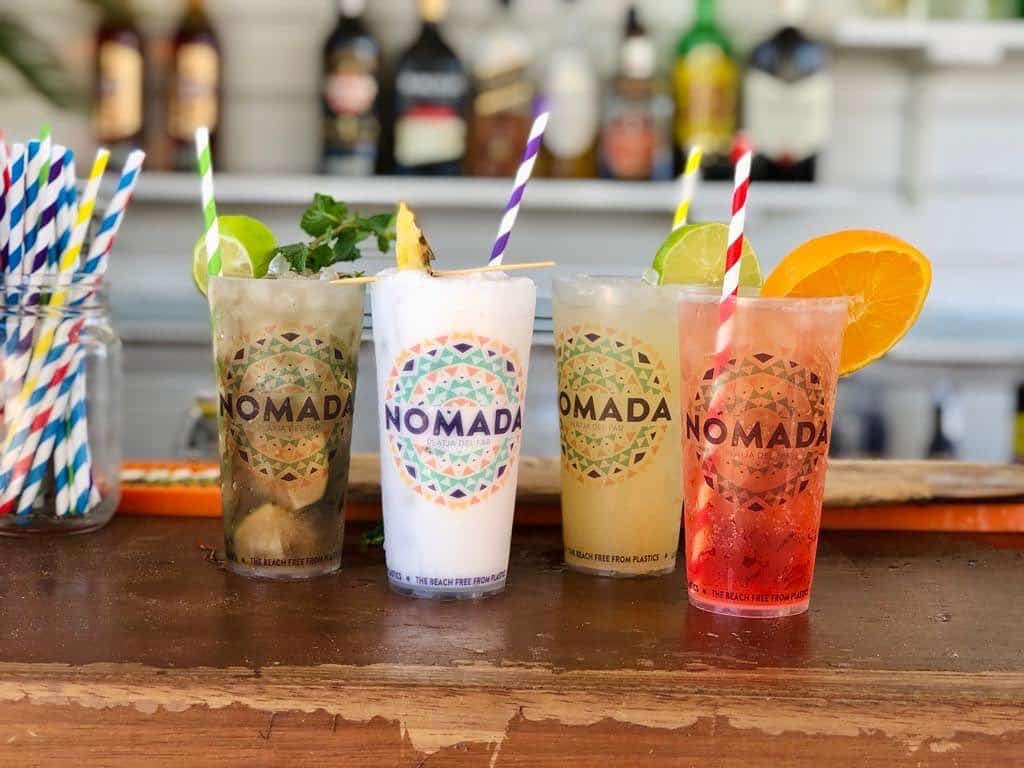
It is recommended for demanding environments, such as cocktails, beach clubs or events where the glass must maintain its aesthetics for a long time. Its premium appearance makes it an ideal option to improve the customer experience.
Stackability is more limited, which increases its logistical volume. Its weight is medium-high, and its lifespan exceeds 200 uses. The cost is high (€€€), but it compensates in contexts where image and durability are valued.
Polycarbonate (PC)
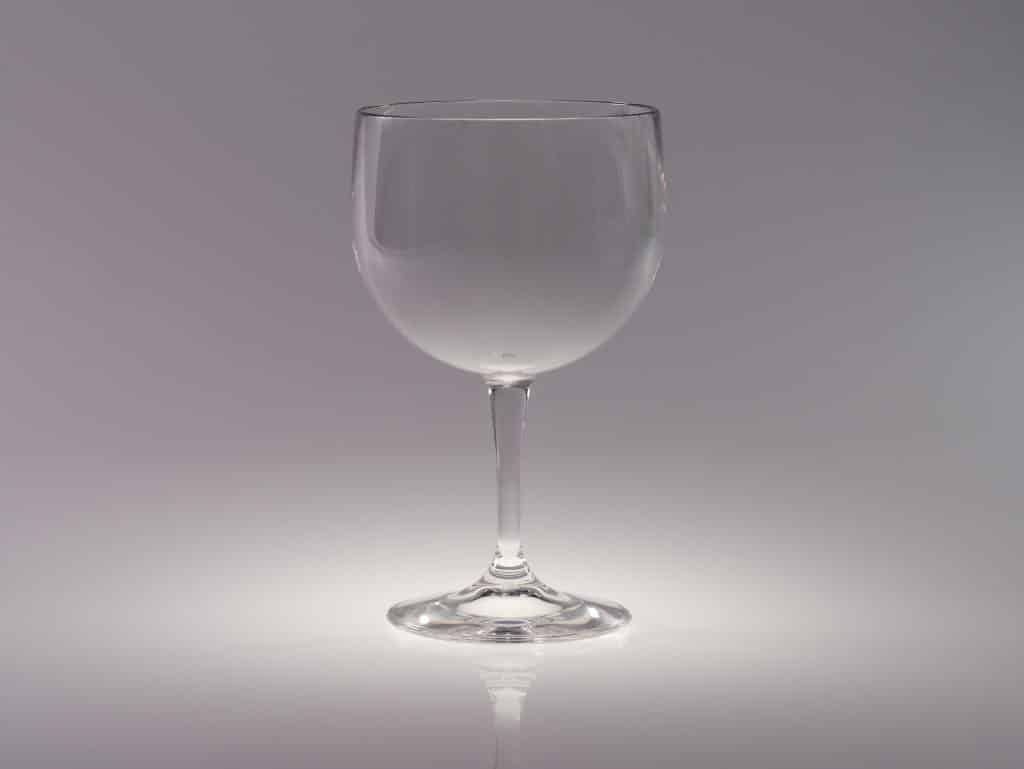
The most resistant and durable material of all. It withstands strong impacts and high temperatures, which makes it compatible with demanding industrial washing. Printing can be done by screen printing or pad printing.
The finish of the PC is very similar to glass, which gives it an elegant and sophisticated appearance. It is common in VIP events, nightclubs, and high-end restaurants.
Due to its rigidity and thickness, its stackability is limited, it occupies more space in transport and its weight is high. Reuse can exceed 300 uses, and the cost is high (€€€).
In our product portfolio, you can find all our variety of glasses, cups and shot glasses that best meet the needs of your event.
Conclusion
There is no perfect material for all contexts. The choice depends on the type of event, the profile of the public, the importance of the design and the logistics that you can assume.
If you are looking for lightness, economy and logistical efficiency, PP is your best ally.
If you are interested in a more careful look without going over budget, SAN is a balanced option.
If you want a premium and durable glass, Tritan or Polycarbonate make the difference.
At ENCORE, we work with all these materials and advise you to choose the most suitable one according to your operational needs and brand objectives.
Do you want us to help you decide which one best suits your event?
👉 Write to us and we will accompany you throughout the process.